What Is Hydro Testing in Heavy Industries?
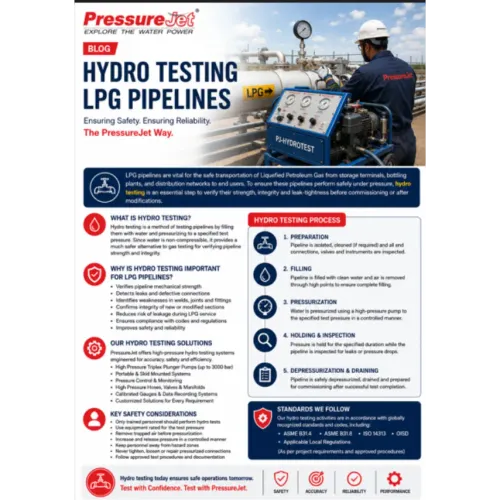
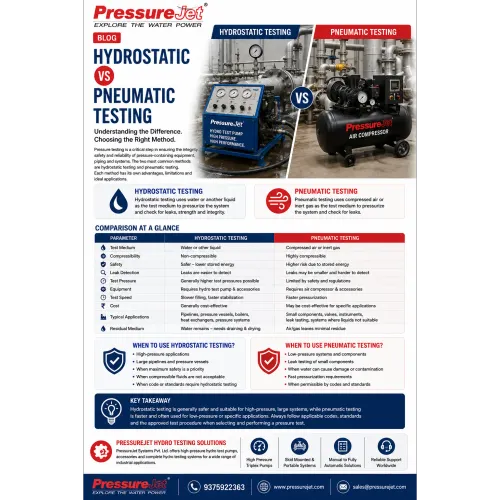
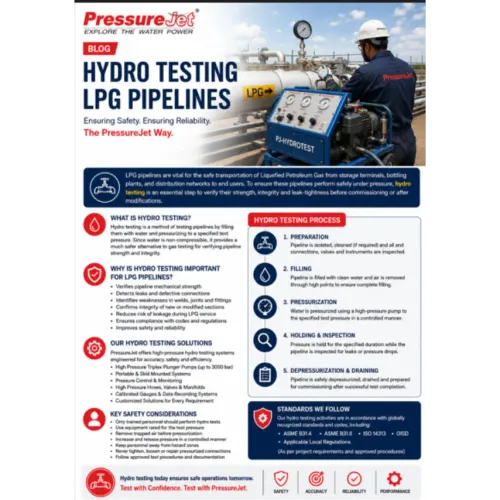
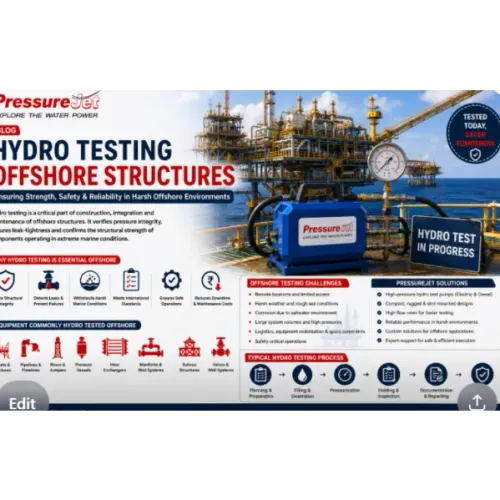
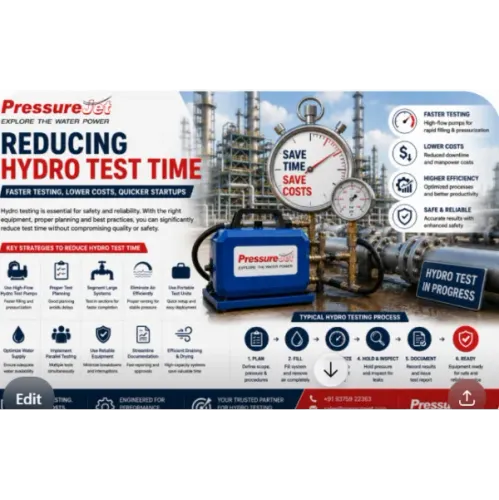
Hydro testing is a method of testing pressure equipment using water to check:
Structural integrity
Leak detection
Pressure resistance
Weld quality
Safety compliance
In cement and steel industries, hydro testing ensures that critical systems can operate safely under continuous high-stress conditions.
Hydro Testing in Cement Plants
Cement plants operate under extreme conditions involving high temperatures, abrasive dust, and continuous material handling systems. Hydro testing is widely used to ensure reliability of key equipment.
Key Applications in Cement Plants
1. Pipeline Testing
Cement plants use pipelines for transporting slurry, water, and compressed fluids. Hydro testing ensures these pipelines are leak-free and structurally sound.
2. Boiler and Pressure Vessel Testing
Boilers and pressure vessels used in cement production must withstand high thermal and pressure loads. Hydro testing ensures safety and compliance.
3. Cooling System Testing
Cooling towers and heat exchangers are tested to ensure efficient water circulation without leakage.
4. Hydraulic System Testing
Cement plant machinery relies heavily on hydraulic systems. Hydro testing ensures cylinders, hoses, and valves operate safely under pressure.
Hydro Testing in Steel Plants
Steel plants are among the most demanding industrial environments, requiring robust testing of high-pressure systems used in production and processing.
Key Applications in Steel Plants
1. Hydraulic Equipment Testing
Steel manufacturing involves heavy hydraulic presses and machines. Hydro testing ensures system reliability and prevents failures.
2. Pipe and Tube Testing
Steel pipes and tubes are hydro tested to ensure they meet strength and leakage standards before industrial use.
3. Boiler and Furnace System Testing
High-pressure steam systems used in steel production require strict hydro testing for safety assurance.
4. Cooling and Water Circulation Systems
Continuous cooling is essential in steel plants. Hydro testing ensures leak-free and efficient operation of water systems.
Role of PressureJet Pumps in Industrial Hydro Testing
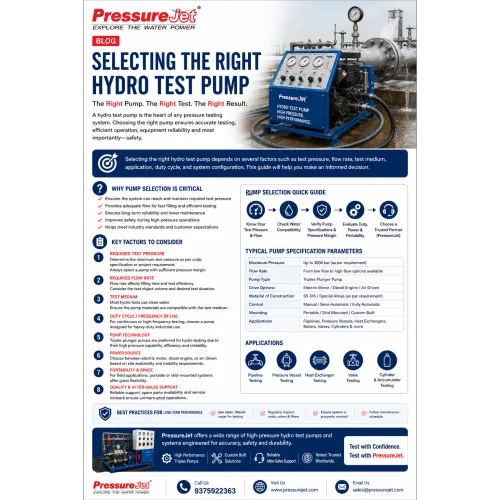
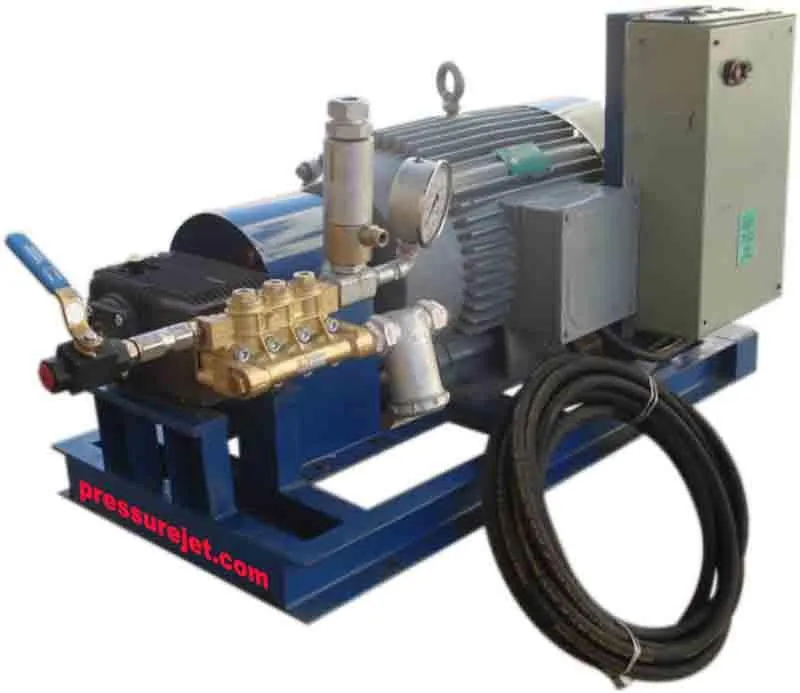
PressureJet Systems Pvt. Ltd. designs high-pressure hydro test pumps that are widely used in cement and steel industries due to their durability, performance, and efficiency.
Key Features of PressureJet Hydro Test Pumps
1. High Pressure Capability
Designed to handle demanding industrial pressure testing applications in heavy industries.
2. Robust Construction
Built with durable materials suitable for dust-heavy and high-temperature environments like cement and steel plants.
3. Stainless Steel Components
Ensures corrosion resistance and long service life even in harsh industrial conditions.
4. Energy Efficient Operation
Optimized design reduces power consumption during continuous testing operations.
5. Stable and Accurate Pressure Control
Ensures precise hydro testing results for critical industrial systems.
Why Hydro Testing Is Critical in Cement and Steel Plants
1. Industrial Safety
Prevents catastrophic failures in high-pressure systems.
2. Equipment Reliability
Ensures machinery operates smoothly under extreme conditions.
3. Regulatory Compliance
Meets industrial safety and quality standards.
4. Reduced Downtime
Early detection of leaks or weaknesses avoids costly breakdowns.
5. Long-Term Cost Savings
Prevents major repair and replacement expenses.
Challenges in Hydro Testing in Heavy Industries
Hydro testing in cement and steel plants comes with challenges such as:
High dust and contamination levels
Continuous production schedules
Heavy machinery vibrations
High-temperature environments
Large-scale equipment testing requirements
This makes the need for reliable and rugged hydro test pumps even more important.
How PressureJet Supports Heavy Industry Applications
PressureJet Systems Pvt. Ltd. provides tailored hydro testing solutions that address the specific needs of cement and steel industries by offering:
Custom-engineered high-pressure systems
Portable and stationary hydro test units
Industrial-grade pump durability
Easy maintenance design
Long operational life systems
Future of Hydro Testing in Cement and Steel Industries
The future is moving toward:
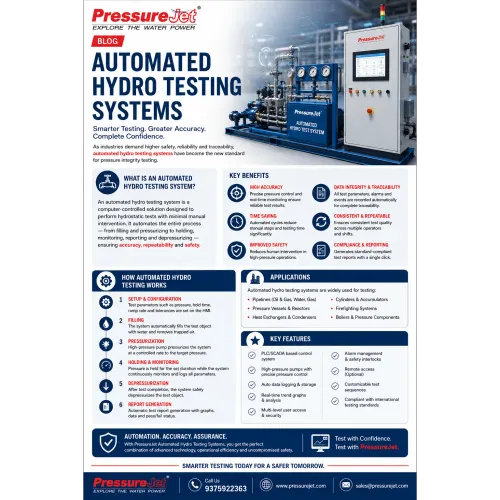
Automated hydro testing systems
Real-time digital monitoring
IoT-based pressure tracking
Predictive maintenance systems
Energy-efficient high-pressure pumps
These advancements will improve safety, efficiency, and productivity in heavy industries.
Conclusion
Hydro testing plays a vital role in ensuring the safety and efficiency of cement and steel plants, where equipment operates under extreme industrial conditions. From pipelines and boilers to hydraulic systems and cooling infrastructure, every component depends on reliable pressure testing.
Hydro testing is a method of testing pressure equipment using water to check:
Structural integrity
Leak detection
Pressure resistance
Weld quality
Safety compliance
In cement and steel industries, hydro testing ensures that critical systems can operate safely under continuous high-stress conditions.
Hydro Testing in Cement Plants
Cement plants operate under extreme conditions involving high temperatures, abrasive dust, and continuous material handling systems. Hydro testing is widely used to ensure reliability of key equipment.
Key Applications in Cement Plants
1. Pipeline Testing
Cement plants use pipelines for transporting slurry, water, and compressed fluids. Hydro testing ensures these pipelines are leak-free and structurally sound.
2. Boiler and Pressure Vessel Testing
Boilers and pressure vessels used in cement production must withstand high thermal and pressure loads. Hydro testing ensures safety and compliance.
3. Cooling System Testing
Cooling towers and heat exchangers are tested to ensure efficient water circulation without leakage.
4. Hydraulic System Testing
Cement plant machinery relies heavily on hydraulic systems. Hydro testing ensures cylinders, hoses, and valves operate safely under pressure.
Hydro Testing in Steel Plants
Steel plants are among the most demanding industrial environments, requiring robust testing of high-pressure systems used in production and processing.
Key Applications in Steel Plants
1. Hydraulic Equipment Testing
Steel manufacturing involves heavy hydraulic presses and machines. Hydro testing ensures system reliability and prevents failures.
2. Pipe and Tube Testing
Steel pipes and tubes are hydro tested to ensure they meet strength and leakage standards before industrial use.
3. Boiler and Furnace System Testing
High-pressure steam systems used in steel production require strict hydro testing for safety assurance.
4. Cooling and Water Circulation Systems
Continuous cooling is essential in steel plants. Hydro testing ensures leak-free and efficient operation of water systems.
Role of PressureJet Pumps in Industrial Hydro Testing
PressureJet Systems Pvt. Ltd. designs high-pressure hydro test pumps that are widely used in cement and steel industries due to their durability, performance, and efficiency.
Key Features of PressureJet Hydro Test Pumps
1. High Pressure Capability
Designed to handle demanding industrial pressure testing applications in heavy industries.
2. Robust Construction
Built with durable materials suitable for dust-heavy and high-temperature environments like cement and steel plants.
3. Stainless Steel Components
Ensures corrosion resistance and long service life even in harsh industrial conditions.
4. Energy Efficient Operation
Optimized design reduces power consumption during continuous testing operations.
5. Stable and Accurate Pressure Control
Ensures precise hydro testing results for critical industrial systems.
Why Hydro Testing Is Critical in Cement and Steel Plants
1. Industrial Safety
Prevents catastrophic failures in high-pressure systems.
2. Equipment Reliability
Ensures machinery operates smoothly under extreme conditions.
3. Regulatory Compliance
Meets industrial safety and quality standards.
4. Reduced Downtime
Early detection of leaks or weaknesses avoids costly breakdowns.
5. Long-Term Cost Savings
Prevents major repair and replacement expenses.
Challenges in Hydro Testing in Heavy Industries
Hydro testing in cement and steel plants comes with challenges such as:
High dust and contamination levels
Continuous production schedules
Heavy machinery vibrations
High-temperature environments
Large-scale equipment testing requirements
This makes the need for reliable and rugged hydro test pumps even more important.
How PressureJet Supports Heavy Industry Applications
PressureJet Systems Pvt. Ltd. provides tailored hydro testing solutions that address the specific needs of cement and steel industries by offering:
Custom-engineered high-pressure systems
Portable and stationary hydro test units
Industrial-grade pump durability
Easy maintenance design
Long operational life systems
Future of Hydro Testing in Cement and Steel Industries
The future is moving toward:
Automated hydro testing systems
Real-time digital monitoring
IoT-based pressure tracking
Predictive maintenance systems
Energy-efficient high-pressure pumps
These advancements will improve safety, efficiency, and productivity in heavy industries.
Conclusion
Hydro testing plays a vital role in ensuring the safety and efficiency of cement and steel plants, where equipment operates under extreme industrial conditions. From pipelines and boilers to hydraulic systems and cooling infrastructure, every component depends on reliable pressure testing.
Keywords